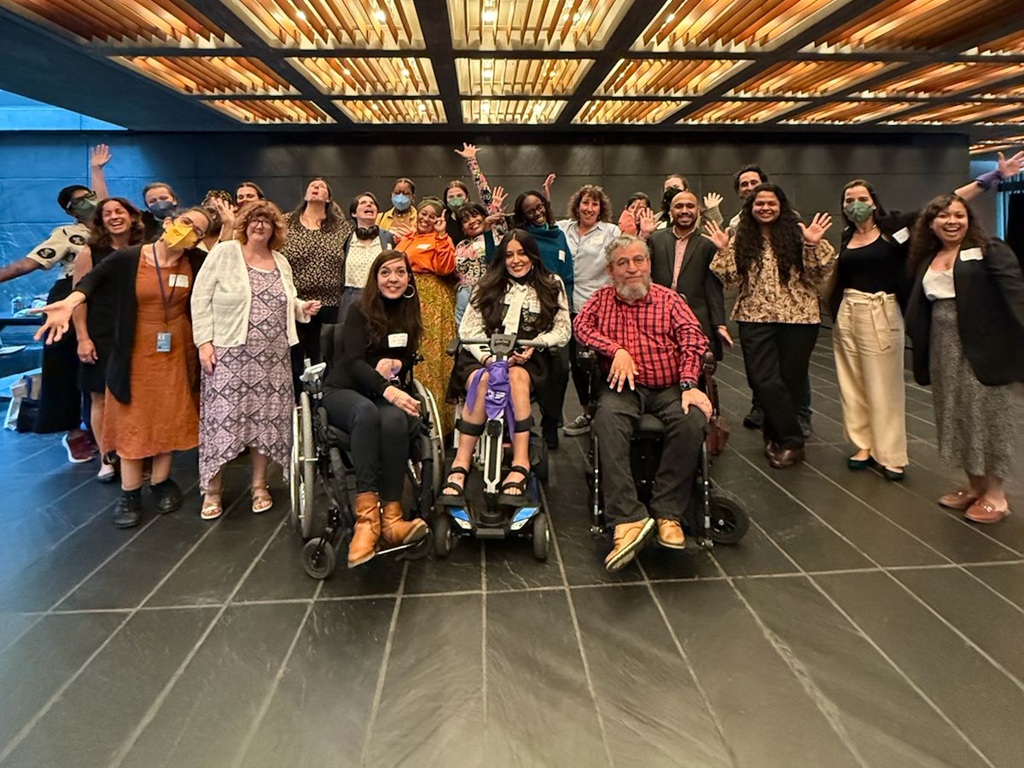
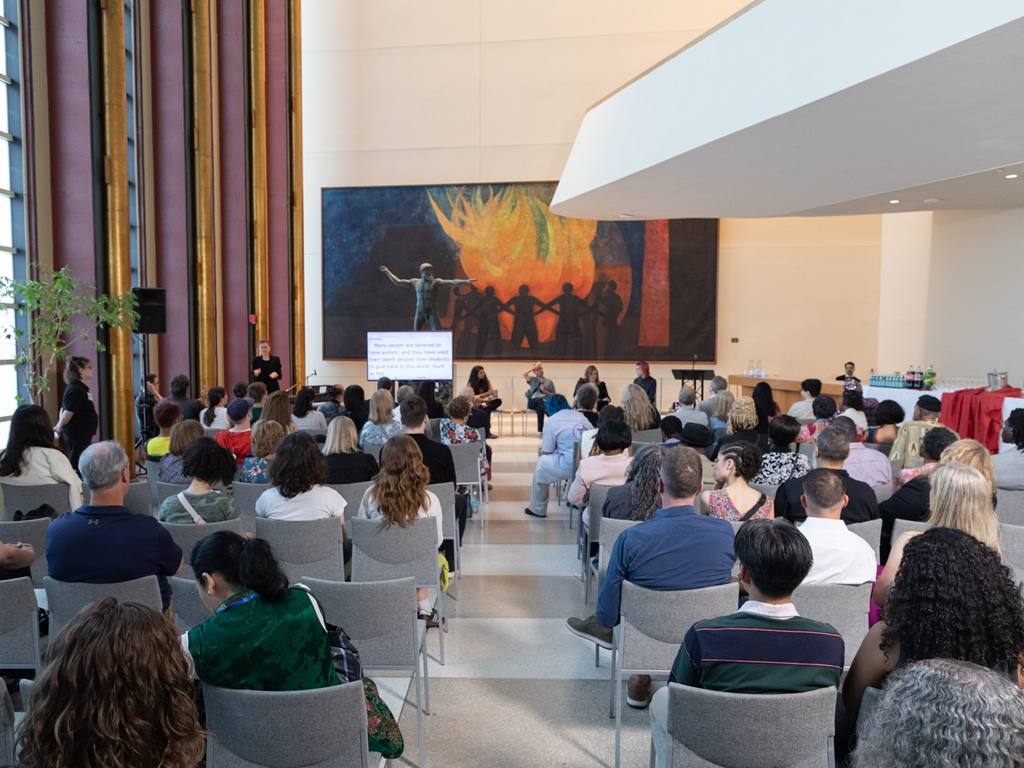
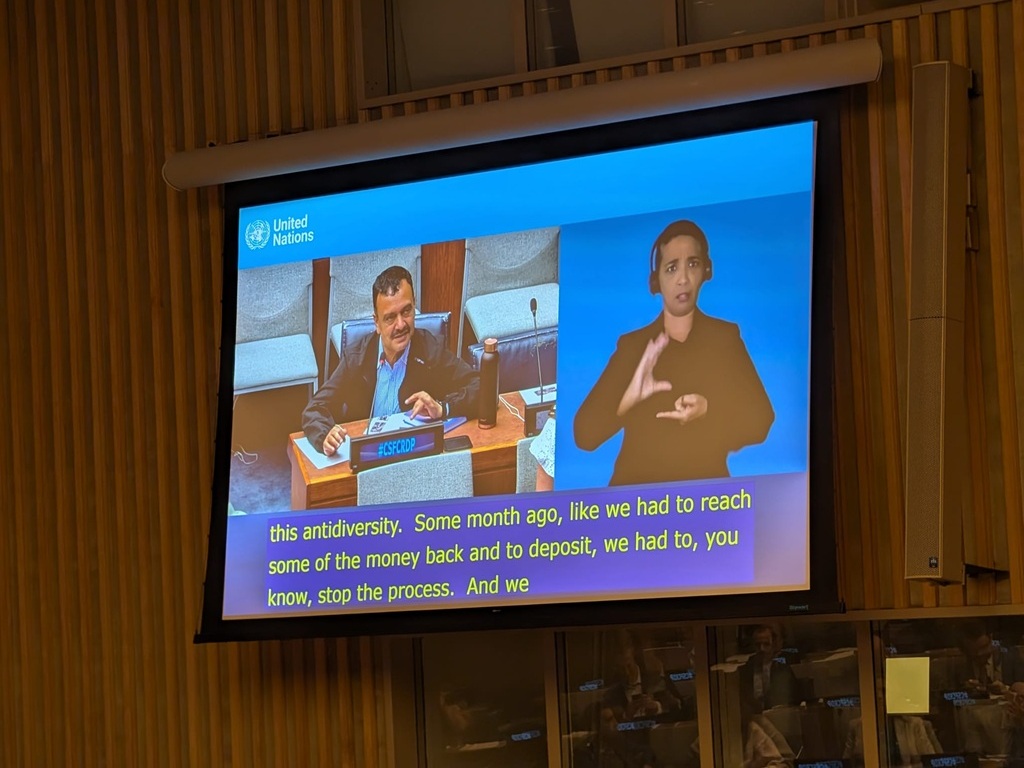
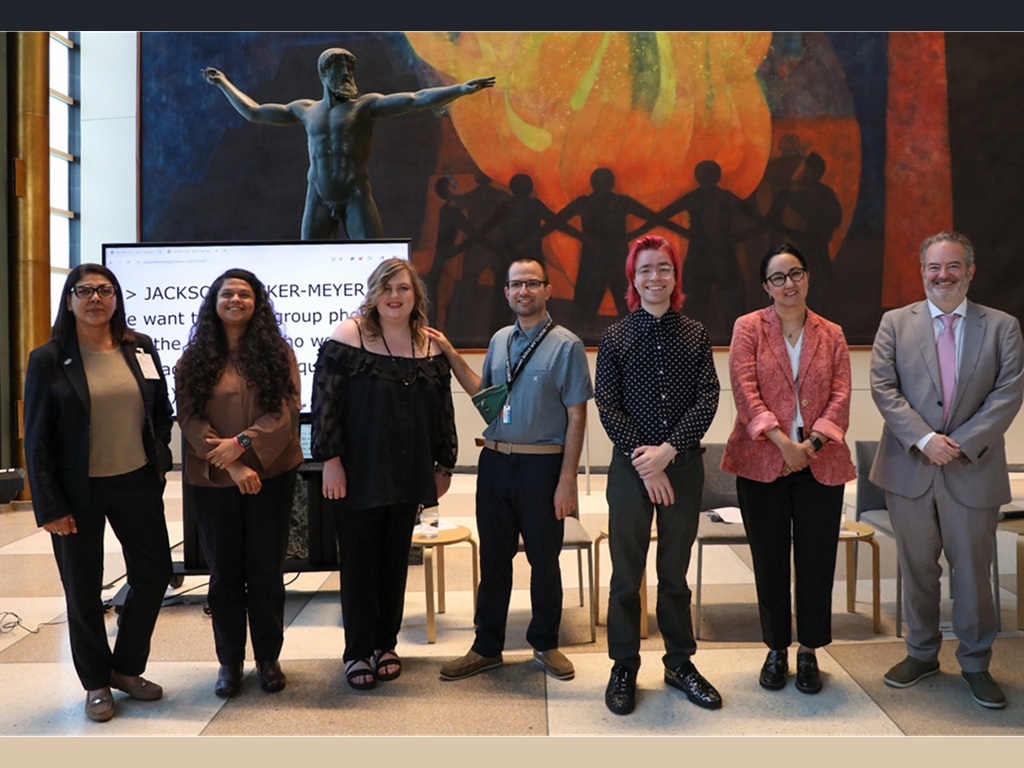
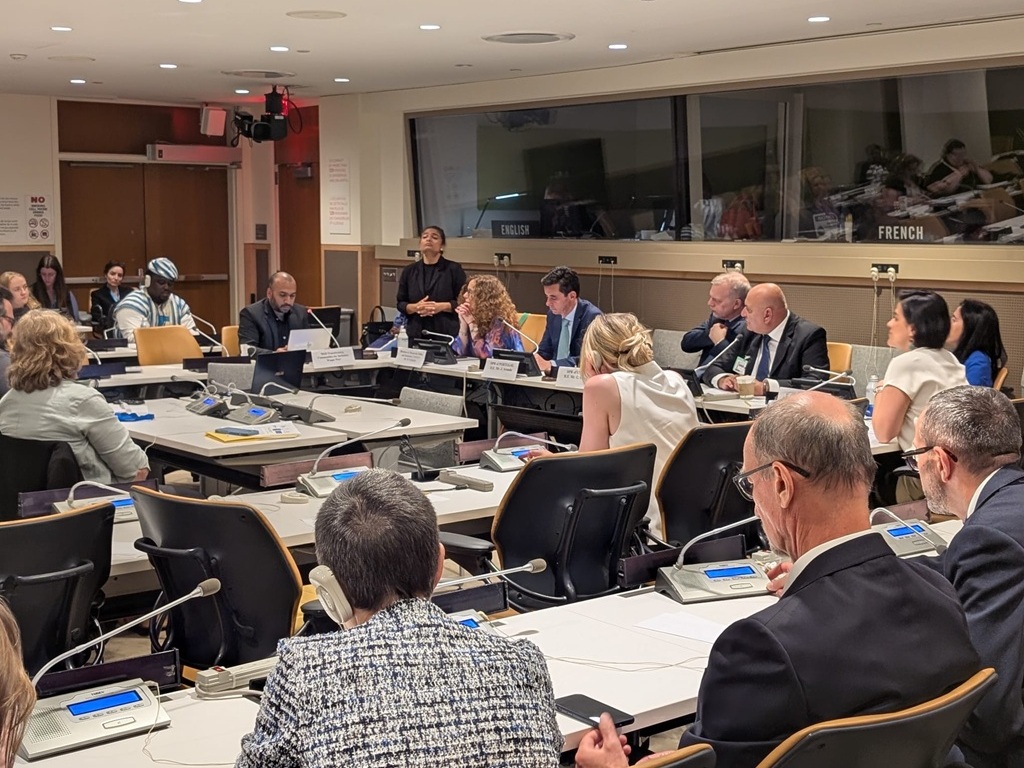
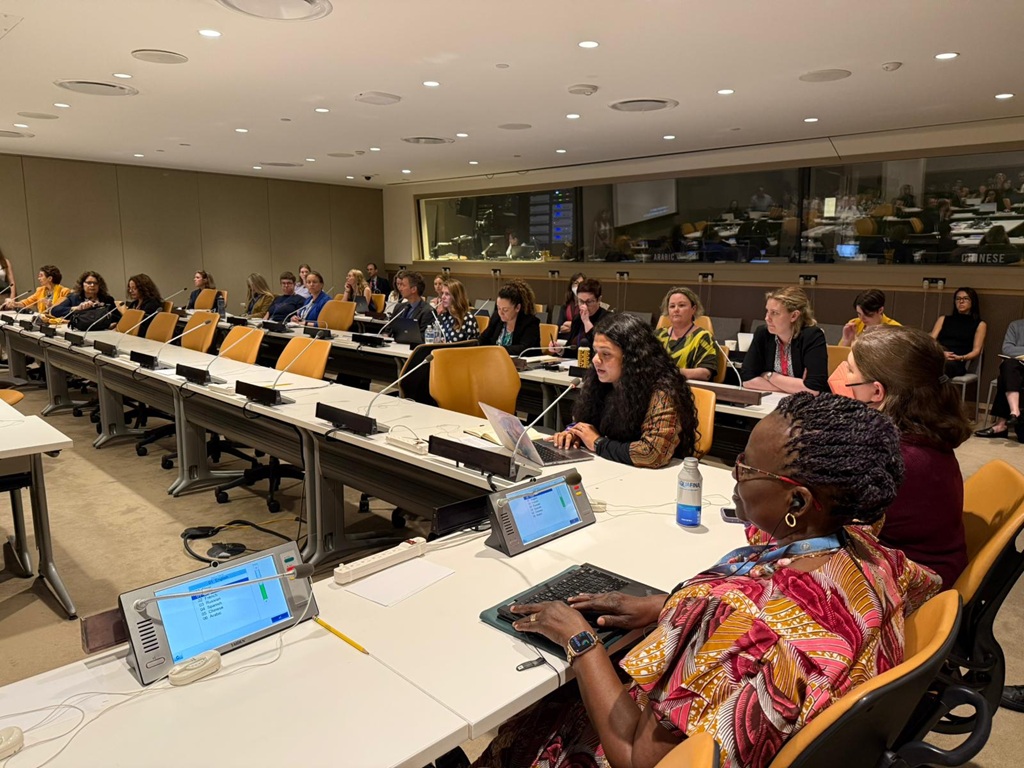
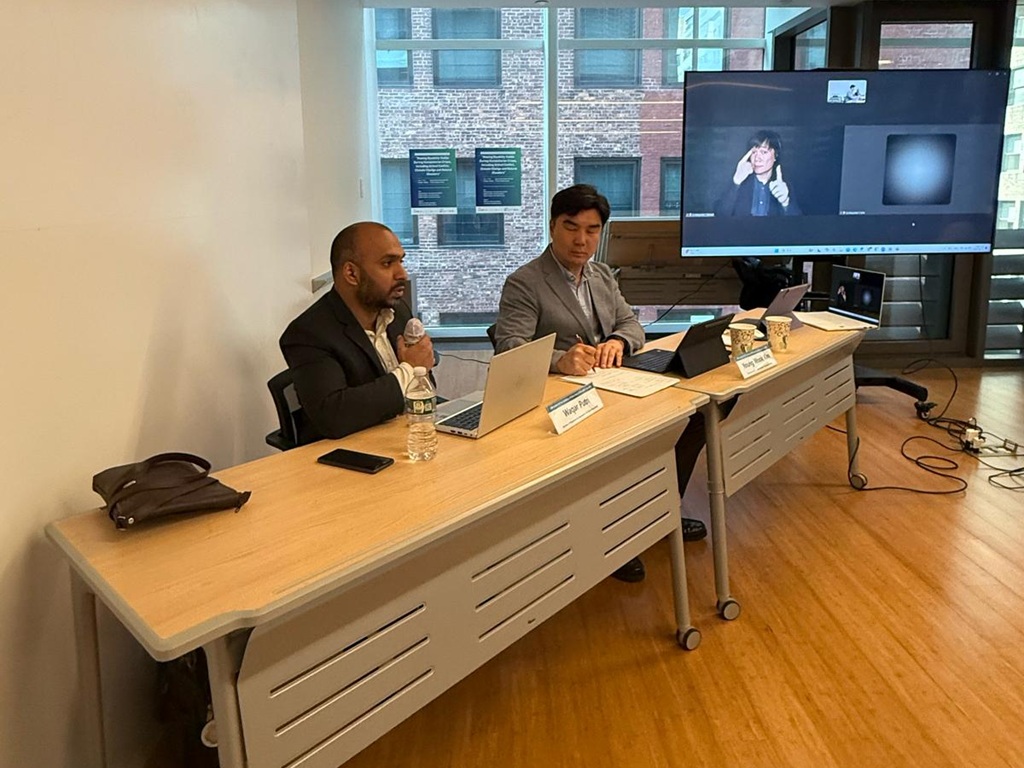
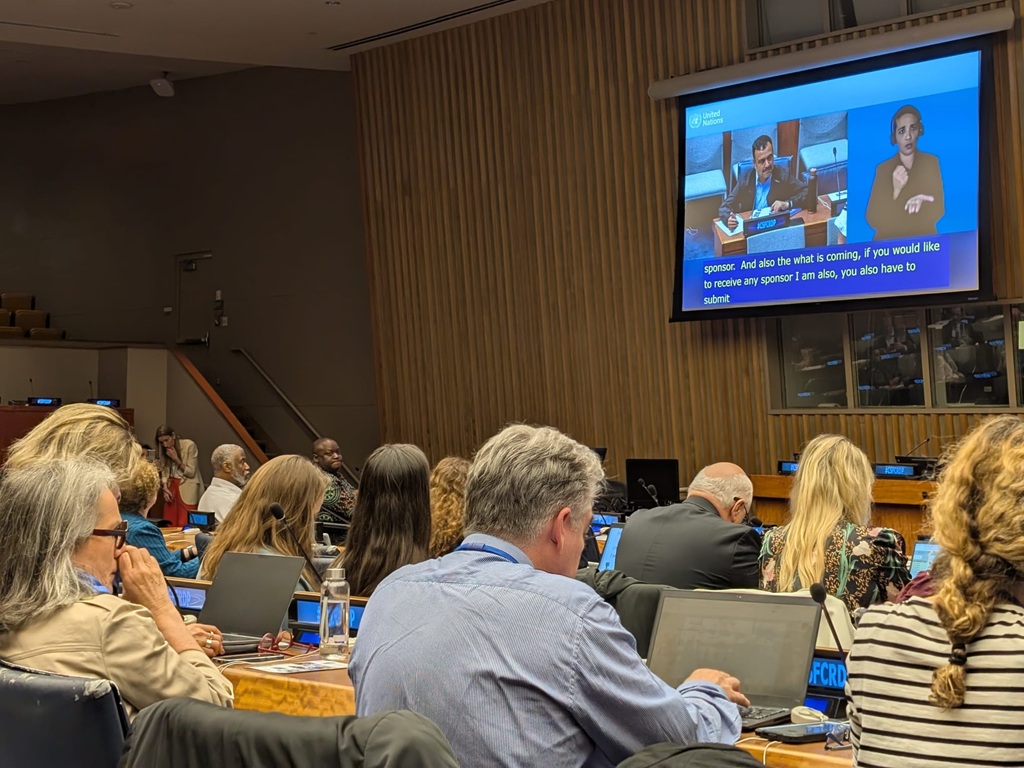
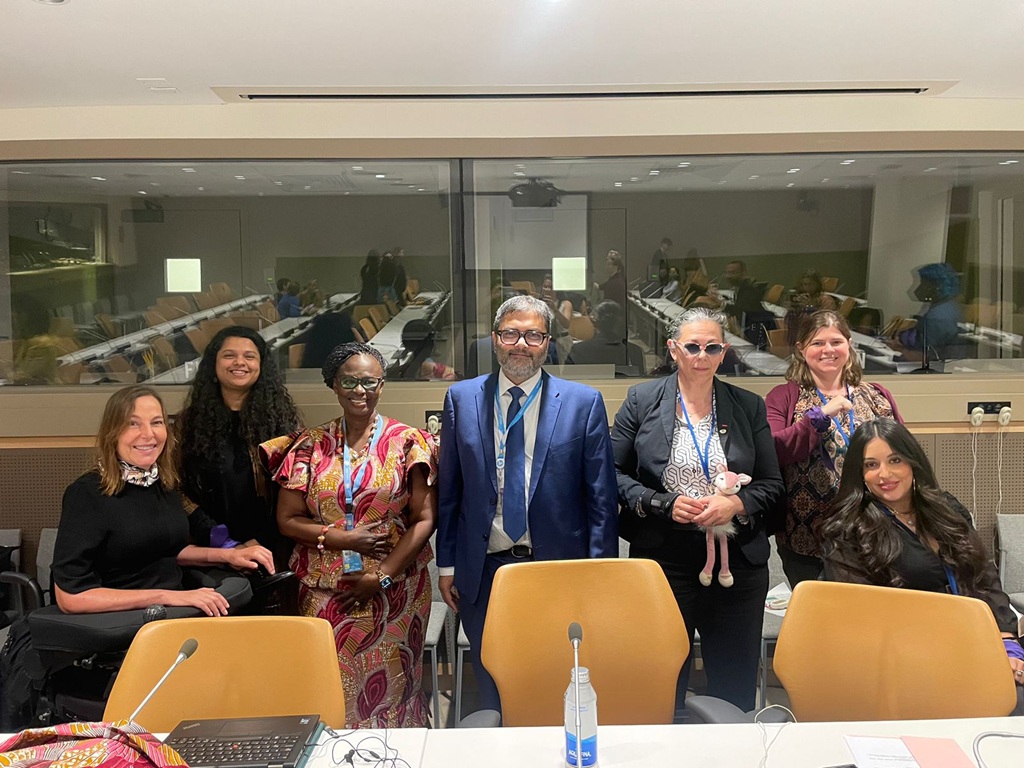
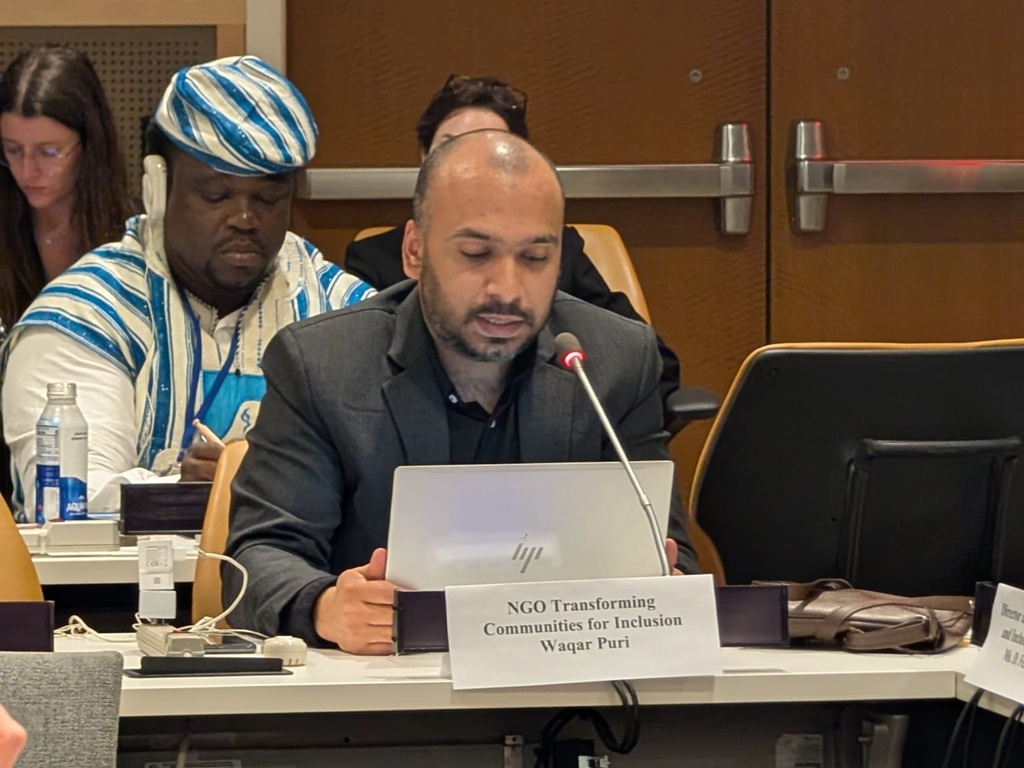
The 18th Conference of States Parties (CoSP) to the Convention on the Rights of Persons with Disabilities (CRPD) took place at the UN headquarters in New York from Tuesday, June 10th to Thursday, June 12th. A Civil Society Forum, preceding the CoSP, was held on Monday, June 09th. TCI Secretariat, along with its members participated in CoSP 18, Civil Society Forum, and side events.
TCI raised critical concerns and put forward key solutions, including:
⚖️Recognizing and restoring our legal capacity is the key to visibility in policies and communities: Across multiple statements, TCI emphasized that legal capacity is the foundation of personhood, dignity, and our right to have rights. Without it, persons with psychosocial disabilities are denied autonomy over their own bodies, relationships, healthcare and life decisions. Substituted decision-making regimes like guardianship and conservatorship and coercive procedures such as forced sterilization and forced institutionalization remain widespread and must be abolished.
⛓️Institutionalization is a gross human rights violation: TCI consistently called for an end to all forms of institutionalization, including in the name of care, protection, or rehabilitation. Institutions, in any form or shape, are in direct contradiction to the CRPD and can never be homes for us. The UN Guidelines on Deinstitutionalization, including in emergencies, were cited as a vital roadmap for implementing the process. Real change requires redirecting funding away from institutions and towards community-based, peer-led, rights-based support models that prioritize dignity, freedom, promote community inclusion, enabling access to justice and mainstream services. Investing in Community Inclusion as an independent stream of works, inclusive of a strong core component of de-institutionalization, is the larger package policy makers must aim for.
👤Intersectionality must move from theory to practice: TCI highlighted how women, girls, and gender-diverse persons with psychosocial disabilities face compounded discrimination. The movement demands that intersectionality needs to be operationalized and put into practice, not reduced to checkboxes, but addressed in legal reforms, budgeting and program design.
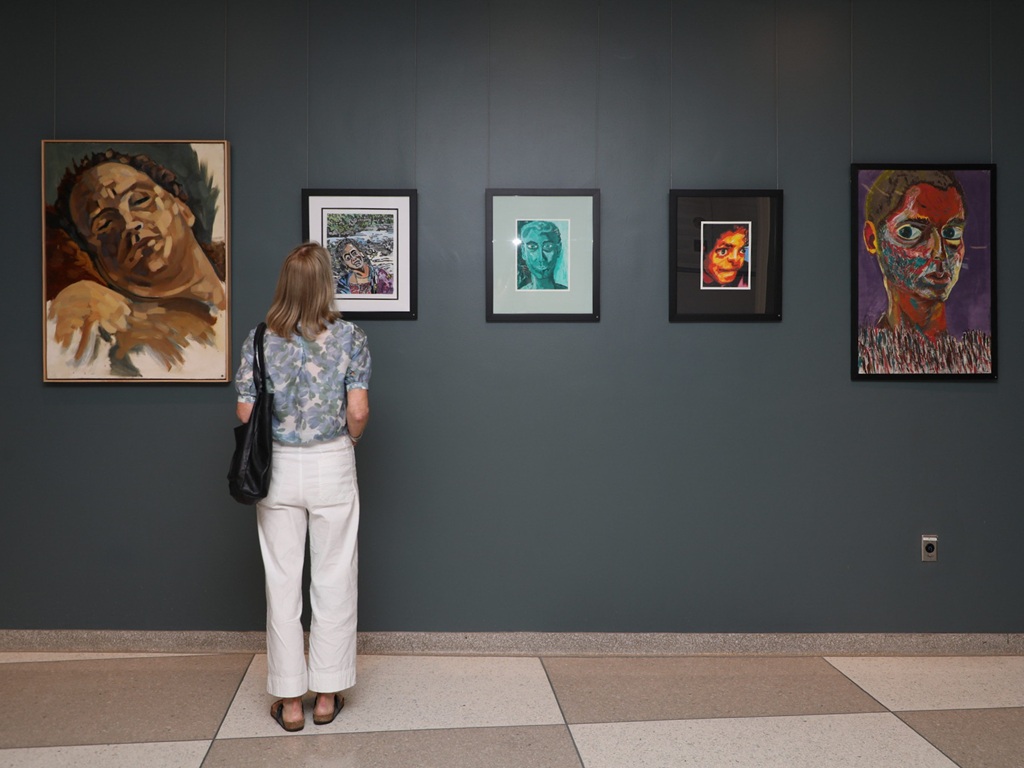
🎨Arts, culture and creativity are mainstream tools and not alternatives: TCI highlighted that art, culture, and creativity are tools of expression, well being, healing, self-awareness and resistance. These approaches are led by persons with psychosocial disabilities themselves and are rooted in community, local ways of being and have become a pathway for social transformation.
🌍Humanitarian and Disaster Response Must Center Psychosocial Disability: As climate disasters become more frequent and intense, we must prioritise disability-inclusive Disaster Risk Reduction (DRR). Persons with psychosocial disabilities are among the first to be institutionalised and the last to be evacuated. Many are left behind in locked wards, care homes, or abandoned by families during emergencies. In shelters and camps, they often face neglect, starvation, lack of access to basic services, and even violence or exploitation. Community inclusion must be made a part of DRR, humanitarian aid, and national disaster protocols, with OPDs fully involved in planning and monitoring.